WE ARE YOU PROJECT


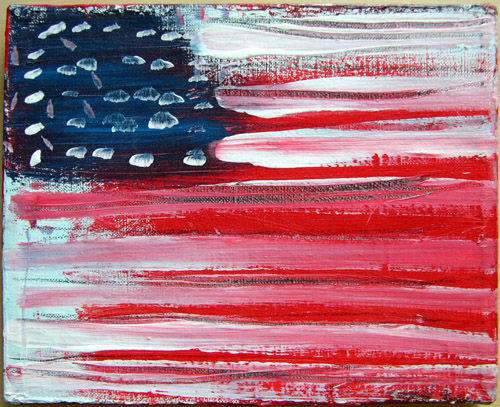


Dió-genes Abréu
Dió-genes Abréu was born in Miches, Dominican Republic in 1959. He resides in New York since 1983. He studied art in the National School of Fine Arts in Santo Domingo, the State University of New York (SUNY), and got an MFA from City College. In addition to being an artist, Abréu is also a writer and photographer. He has published the following poetry books: POEMS FOR THE LIVING, 1983; FOR WOMEN WITHOUT MAKE-UP, 1985; Some of his short stories and poems have been published in English, Japanese, and Spanish in some compilations and anthologies.
His artwork has been exhibited in national as well as international galleries and museums, like the Museum of Modern Art in the Dominican Republic, The New Museum for Contemporary Art in New York, the Queens Museum of Art, and the Metropolitan Museum of Tokyo, Japan. Abréu also worked in theater for more than eight years in his native country and in New York City. In 1998 he won the first prize in the V Short Stories Contest organized by Radio Santa María in the República Dominicana. Was a founding member of Palabra: Expresión Cultural (PEC), a writers’ group dedicated to the development and promotion of Dominican culture in the US. In 2004 he published his book PEREJIL, el ocaso de la “hispanidad” dominicana, a book about Dominican culture and identity viewed from the perspective of the Dominican immigration experience. In 2005, he publisher A PESAR DEL NAUFRAGIO, violencia doméstica y el ejercicio del poder, a book about domestic violence that includes the testimonies of two Dominican women from Washington Heights. His more recent books include: Engañifas, discurso y práctica social, a critical analysis of the intellectual discourse and social actions of several prominent Dominican personalities, published in 2007. La Jom Atenda (2011), a theater play winner of the Letras de Ultramar Prize, organized by the Dominican Cultural Commissioner in EU. In 2013, he won again won the same prize with his book of essays Sin haitianidad no hay Dominicanidad.
To contact Mr. Abréu: jolopero2014@gmail.com
THIS NEGRO
This negro doesn’t speak of rivers,
I speak of Haitian children
whipped by misery and denied a nationality;
this negro doesn’t speak of rivers,
there are other currents marking the cartography
of this map we call Republic;
I speak of borders traced with human bones
to separate people with the fear of death,
I also speak of borders erased by the footprints
of women giving birth in the sugarcane plantations
where the boss, the master,
would like to steal even their screams of pain;
this negro doesn’t speak of rivers,
my words don’t flow down serpentine streams,
they fall sharply into the hearts of this Nation
puncturing years of deception,
word by word
I speak of hatred expertly hidden within diplomatic speeches,
history twisted,
sweet tasty sugar,
refined labor
bleached out of the blood of siblings I’m afraid to name;
this is not a poem about strangers
for when I hear of Haitians being thrown across the border,
I see myself with dusty chest,
facing the ground as if it were my grave;
this negro doesn’t speak of rivers,
I speak of Haitian children
born under the Dominican flag and then denied that nationality…
my soul has also grown deep like a river, Langston,
but I didn’t build the pyramids,
I have not bathed my sorrow in the green solitude
of someone else’s fields,
and it wasn’t mine the trail of tears
wetting the moonlight when memories of home invaded the mind,
this negro doesn’t speak of rivers.
©Dió-genes Abréu
10/16/99